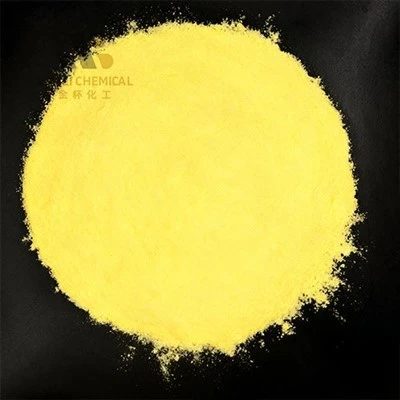

Is DL - Malic Acid a natural or synthetic substance?
As a supplier of DL - Malic Acid, I often encounter questions from customers about the nature of this product: is it natural or synthetic? To answer this question comprehensively, we need to delve into the sources, production methods, and characteristics of DL - Malic Acid.


Natural Sources of Malic Acid
Malic acid is a naturally occurring organic acid that can be found in many fruits and vegetables. Apples, in particular, are well - known for their relatively high malic acid content, which is where the name "malic" comes from (derived from the Latin word "malum," meaning apple). Other fruits such as cherries, plums, and grapes also contain malic acid. In addition to fruits, some vegetables like tomatoes and rhubarb also have malic acid present.
In nature, malic acid exists in two stereoisomeric forms: L - malic acid and D - malic acid. The L - form is the predominant isomer found in natural sources. It plays a crucial role in the metabolic processes of living organisms. For example, in the citric acid cycle (also known as the Krebs cycle) in cells, L - malic acid is an important intermediate, participating in the energy - producing reactions that are fundamental to life.
Synthetic Production of DL - Malic Acid
DL - Malic acid is a racemic mixture of L - malic acid and D - malic acid. It is typically produced through synthetic methods. One of the most common ways to synthesize DL - Malic acid is by the hydration of maleic anhydride. Maleic anhydride, which is an industrial chemical, reacts with water under specific conditions of temperature, pressure, and the presence of a catalyst.
The chemical reaction can be described as follows: Maleic anhydride (C₄H₂O₃) reacts with water (H₂O) to form DL - Malic acid (C₄H₆O₅). This synthetic process allows for large - scale production of DL - Malic acid, meeting the high - demand requirements of various industries.
The advantage of synthetic production is the ability to control the quality and quantity of the product. In a well - regulated industrial setting, the production process can be optimized to ensure consistent purity and characteristics of DL - Malic acid. This is especially important for industries such as the food and beverage, pharmaceutical, and cosmetic industries, where strict quality standards must be met.
Applications of DL - Malic Acid
DL - Malic acid has a wide range of applications due to its unique properties. In the food and beverage industry, it is commonly used as an acidulant. It can enhance the tartness and acidity of products, similar to the natural tartness provided by fruits. For example, it is used in soft drinks, fruit juices, candies, and jams. Its sour taste can balance the sweetness of these products, creating a more complex and appealing flavor profile.
In the pharmaceutical industry, DL - Malic acid can be used as an excipient in drug formulations. It can help to adjust the pH of the formulation, improve the solubility of active ingredients, and enhance the stability of the drug.
In the cosmetic industry, DL - Malic acid is used in skin - care products. It has exfoliating properties, which can help to remove dead skin cells, improve skin texture, and promote a more youthful appearance.
Comparison with Other Acidulants
When comparing DL - Malic acid with other acidulants such as Tripotassium Citrate, Magnesium Citrate, and L(+)-Tartaric Acid, each has its own unique characteristics.
Tripotassium citrate is often used as a buffering agent and a source of potassium in food and pharmaceutical applications. It has a milder acidic taste compared to DL - Malic acid. Magnesium citrate is mainly used as a laxative in the pharmaceutical field and also as an acidulant in some food products. It provides a different flavor and functionality compared to DL - Malic acid. L(+)-Tartaric acid, which is also a natural acid found in grapes, has a characteristic tart flavor and is commonly used in winemaking and the confectionery industry.
Safety and Regulatory Considerations
Both natural and synthetic DL - Malic acid are generally recognized as safe for use in food, pharmaceutical, and cosmetic applications when used within the approved limits. Regulatory agencies around the world, such as the U.S. Food and Drug Administration (FDA) and the European Food Safety Authority (EFSA), have established guidelines and maximum usage levels for DL - Malic acid.
The safety of synthetic DL - Malic acid is ensured through strict quality control during the production process. Manufacturers must adhere to Good Manufacturing Practices (GMP) to guarantee the purity and safety of the product.
Conclusion
In conclusion, DL - Malic acid is a synthetic substance. Although its components, L - malic acid and D - malic acid, can be found in nature, the racemic mixture of DL - Malic acid is typically produced through industrial synthesis. Its synthetic origin does not undermine its value and safety. On the contrary, the synthetic production allows for a reliable and consistent supply of high - quality DL - Malic acid, which is essential for a variety of industries.
If you are interested in purchasing DL - Malic acid for your business, whether it is for food, pharmaceutical, or cosmetic applications, we are here to provide you with high - quality products and professional service. We can offer customized solutions based on your specific requirements. Contact us to start a procurement negotiation and explore how DL - Malic acid can enhance your products.
References
- Food Chemicals Codex (FCC). [Publisher details, edition number].
- European Food Safety Authority (EFSA) Scientific Opinions on DL - Malic acid.
- U.S. Food and Drug Administration (FDA) regulations on the use of DL - Malic acid in food and pharmaceutical products.