
Does Xylitol Change the Texture of Baked Goods?
As a supplier of xylitol, I've received numerous inquiries from bakers, pastry chefs, and home baking enthusiasts about how xylitol affects the texture of baked goods. This is a crucial question, as texture plays a significant role in the overall quality and appeal of baked products. In this blog post, we'll delve into the science behind xylitol and its impact on the texture of various baked items.
Understanding Xylitol
Xylitol is a natural sweetener that occurs in many fruits and vegetables. It has a similar sweetness to sucrose (table sugar) but with fewer calories. Chemically, it's a sugar alcohol, also known as a polyol. Xylitol has gained popularity in the food industry due to its low glycemic index, which makes it suitable for people with diabetes, and its dental benefits, as it can help prevent tooth decay.
The Role of Sugar in Baked Goods
Before we discuss how xylitol affects texture, it's essential to understand the role of sugar in baking. Sugar serves multiple purposes in baked goods:
- Sweetness: It provides the characteristic sweet taste that we associate with baked treats.
- Moisture Retention: Sugar helps to retain moisture in the baked product, keeping it soft and fresh for longer.
- Browning: During the baking process, sugar undergoes a Maillard reaction, which contributes to the golden - brown color and rich flavor of the crust.
- Structure: Sugar interacts with other ingredients like flour and eggs to help create the structure of the baked good.
How Xylitol Compares to Sugar in Baking
When substituting xylitol for sugar in baking, there are several factors to consider in terms of texture:
- Moisture Retention: Xylitol has good moisture - retaining properties, similar to sugar. This means that baked goods made with xylitol can stay moist for a reasonable period. However, in some cases, xylitol may absorb moisture at a slightly different rate than sugar, which can affect the texture over time. For example, a cake made with xylitol might have a slightly different crumb structure compared to one made with sugar. The crumb may be a bit denser or more compact, especially if the recipe is not adjusted properly.
- Browning: Xylitol browns at a different rate than sugar. The Maillard reaction occurs at a slightly higher temperature with xylitol. This can result in a lighter - colored crust on baked goods. Bakers may need to adjust the baking time or temperature to achieve the desired browning. For instance, if you're making cookies, you may need to bake them a bit longer at a slightly higher temperature to get that golden - brown exterior.
- Structure: Xylitol can interact with other ingredients in a similar way to sugar, but there are some differences. In bread - making, for example, sugar helps the yeast ferment and produce carbon dioxide, which gives the bread its rise. Xylitol can also support yeast fermentation, but the process may be a bit slower. This can lead to a slightly different texture in the bread, perhaps a denser loaf if the fermentation time is not adjusted.
Specific Effects on Different Baked Goods
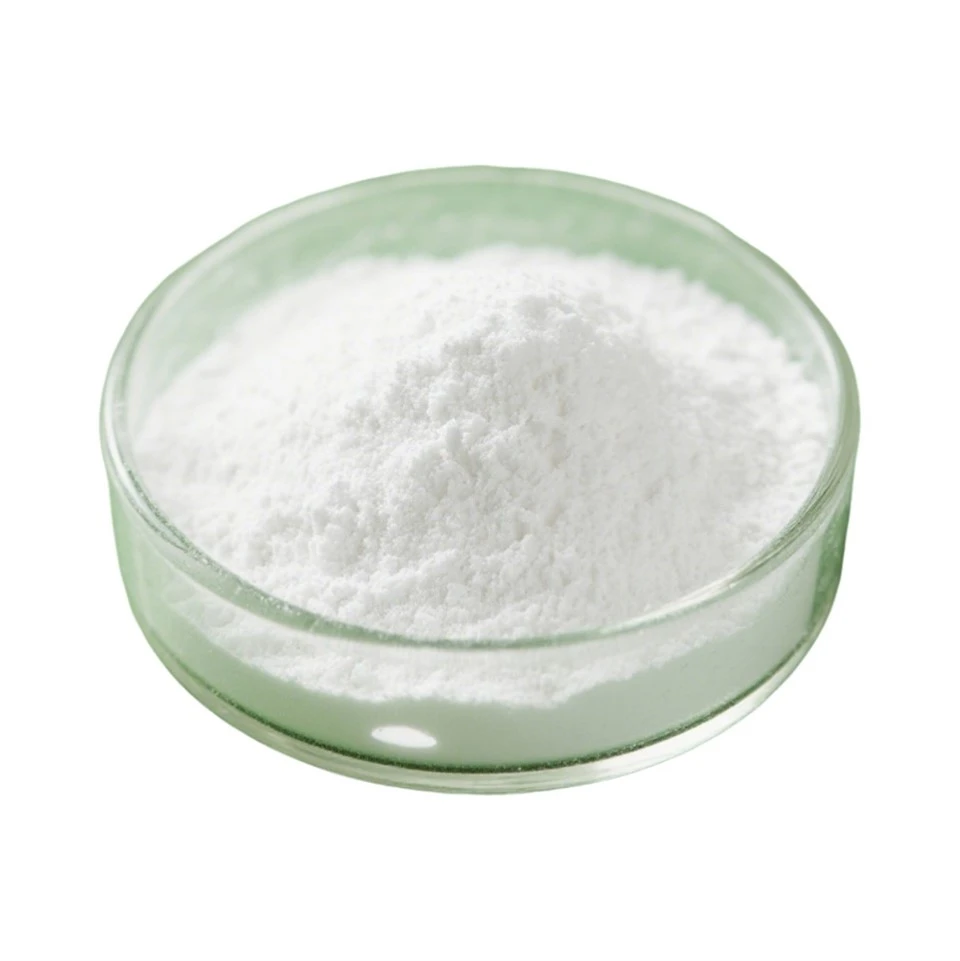
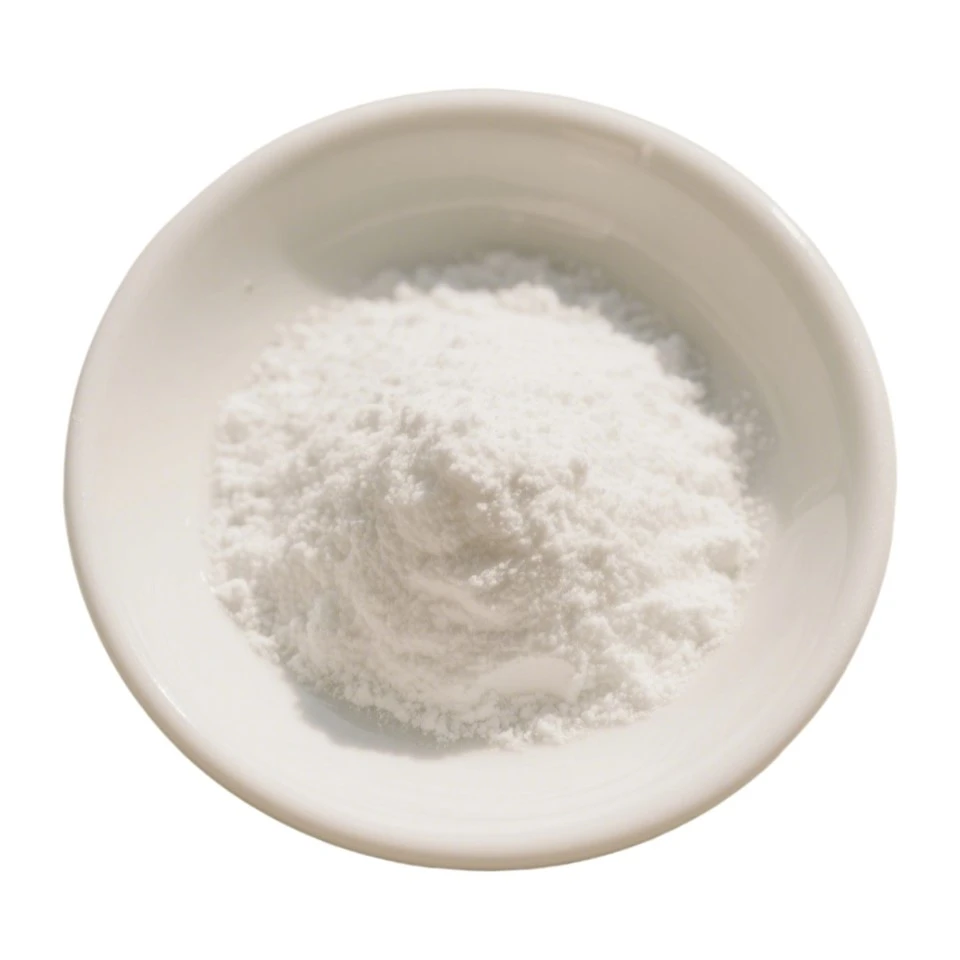
- Cakes: When making cakes with xylitol, the texture can be slightly affected. As mentioned earlier, the crumb may be denser. However, by adjusting the recipe, such as increasing the amount of leavening agents like baking powder or baking soda, you can achieve a lighter texture. Also, using a combination of xylitol with other sweeteners like Sorbitol can sometimes help to mimic the texture of cakes made with sugar more closely.
- Cookies: Cookies made with xylitol may spread differently than those made with sugar. Xylitol has a different melting point, which can affect how the cookies spread during baking. They may be a bit thicker and less crispy around the edges. To counter this, you can chill the cookie dough before baking to control the spread and achieve a more desirable texture.
- Breads: In bread - making, as we've discussed, the fermentation process with xylitol may be slower. This can result in a denser loaf. Bakers can extend the proofing time or use a bit more yeast to ensure proper rising. Additionally, adding a small amount of Maltodextrin to the bread recipe can help improve the texture and give the bread a more traditional look and feel.
Advantages of Using Xylitol in Baked Goods
Despite the potential texture differences, there are many advantages to using xylitol in baking:
- Health Benefits: As mentioned earlier, xylitol has a low glycemic index and is beneficial for dental health. This makes it an attractive option for health - conscious consumers.
- Similar Sweetness: Xylitol has a sweetness level similar to sugar, so you can use it in a one - to - one ratio in most recipes without sacrificing the sweet taste.
Overcoming Texture Challenges
To overcome the texture challenges associated with using xylitol in baking, here are some tips:
- Recipe Adjustment: Experiment with different recipes and make adjustments to the amounts of ingredients. For example, you may need to increase the amount of liquid slightly to compensate for any differences in moisture absorption.
- Combining Sweeteners: Consider using a combination of xylitol with other sweeteners like Sodium Saccharin, sorbitol, or maltodextrin. This can help to achieve a more balanced texture and flavor.
- Baking Technique: Adjust your baking technique, such as changing the baking time and temperature, to account for the differences in how xylitol behaves compared to sugar.
Conclusion
In conclusion, xylitol does change the texture of baked goods to some extent, but these changes are not necessarily negative. With proper recipe adjustment and baking techniques, you can create delicious baked products with xylitol that have a texture similar to those made with sugar. As a xylitol supplier, I'm committed to helping bakers and food manufacturers navigate these challenges and make the most of this natural sweetener.
If you're interested in purchasing high - quality xylitol for your baking needs or have further questions about using it in your products, we'd love to hear from you. Contact us to start a discussion about your specific requirements and how xylitol can be incorporated into your recipes to create great - tasting, healthy baked goods.
References
- Smith, J. (2020). The Science of Baking. New York: Baker's Press.
- Jones, A. (2019). Sweeteners in the Food Industry. London: Food Science Publications.
- Brown, C. (2021). Xylitol: Properties and Applications. Toronto: Natural Sweetener Research Institute.