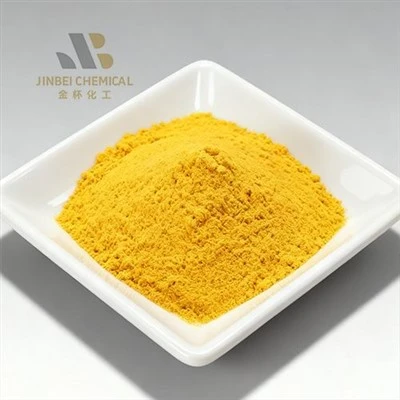

Niacin, also known as vitamin B3, is a pretty awesome nutrient that plays a bunch of important roles in our bodies. As a niacin supplier, I've learned a ton about how this stuff works, and I'm super excited to share it with you.
Let's start from the basics. Niacin is a water - soluble vitamin, which means it doesn't get stored in the body for long periods like fat - soluble vitamins such as Vitamin A. Instead, we need to replenish it regularly through our diet or supplements.
Digestion and Absorption
When you consume niacin, it starts its journey in the digestive system. Whether it's from foods like meat, fish, nuts, and whole grains or from a niacin supplement, the process is quite similar. In the stomach, the acidic environment helps to break down the food and release niacin. Then, in the small intestine, niacin is absorbed into the bloodstream. The absorption is pretty efficient, especially for nicotinamide (a form of niacin). Once in the bloodstream, it gets transported to different cells and tissues throughout the body.
Metabolism Boost
One of the most significant roles of niacin is its involvement in metabolism. It's a key component of two essential coenzymes: nicotinamide adenine dinucleotide (NAD) and nicotinamide adenine dinucleotide phosphate (NADP). These coenzymes are like little helpers in the body's chemical reactions.
NAD is super important for the breakdown of carbohydrates, fats, and proteins. When we eat food, these macronutrients need to be broken down into smaller molecules to release energy. NAD helps in the oxidation - reduction reactions that occur during this breakdown. For example, during glycolysis (the process of breaking down glucose), NAD is reduced to NADH. This NADH then goes on to participate in the electron transport chain, which is where a large amount of ATP (adenosine triphosphate) is produced. ATP is the energy currency of the body, so without niacin and the production of NAD, we'd have a hard time getting the energy we need from the food we eat.
NADP, on the other hand, is more involved in anabolic reactions. It's important for the synthesis of fatty acids, cholesterol, and steroids. For instance, in the synthesis of fatty acids, NADPH (the reduced form of NADP) provides the reducing power needed to build these long - chain molecules. So, niacin is not only crucial for energy production but also for building important molecules in the body.
DNA Repair and Cell Signaling
Niacin also plays a role in DNA repair. Our DNA is constantly under attack from various factors such as radiation, chemicals, and normal metabolic by - products. When DNA gets damaged, it needs to be repaired quickly to prevent mutations and diseases like cancer. NAD is involved in a process called poly(ADP - ribosyl)ation, which helps recruit DNA repair enzymes to the damaged sites. This is a critical function in maintaining the integrity of our genetic material.
In addition to DNA repair, niacin is involved in cell signaling pathways. NAD - dependent signaling pathways help cells communicate with each other and respond to changes in the environment. For example, some of these pathways can regulate the cell cycle, cell growth, and apoptosis (programmed cell death). This is important for maintaining the balance of cell turnover in the body and preventing abnormal cell growth.
Skin Health
You might be surprised to know that niacin is great for your skin. Topical application of niacinamide (a form of niacin) has been shown to have several benefits. It can help reduce the appearance of fine lines and wrinkles by increasing collagen production. Collagen is a protein that gives our skin its elasticity and firmness. As we age, collagen production decreases, leading to wrinkles. Niacin can help boost this production, making our skin look more youthful.
Niacin also helps with skin discoloration. It can inhibit the transfer of melanin (the pigment that gives our skin its color) from melanocytes to keratinocytes. This can reduce the appearance of dark spots, uneven skin tone, and hyperpigmentation. Additionally, it has anti - inflammatory properties, which can help soothe irritated skin and reduce redness.
Cardiovascular Health
Niacin has a long - standing reputation for its role in cardiovascular health. It can help lower levels of low - density lipoprotein (LDL) cholesterol, often referred to as "bad" cholesterol. Niacin works by inhibiting the synthesis of very - low - density lipoprotein (VLDL) in the liver. Since LDL is formed from VLDL, reducing VLDL synthesis leads to a decrease in LDL levels.
Niacin also raises high - density lipoprotein (HDL) cholesterol, the "good" cholesterol. HDL helps to remove excess cholesterol from the bloodstream and transport it back to the liver for processing and elimination. By increasing HDL levels, niacin can improve the overall cholesterol profile and reduce the risk of heart disease.
Moreover, niacin has vasodilatory effects. It can cause the blood vessels to widen, which improves blood flow and reduces blood pressure. This is especially important for people with poor circulation or those at risk of cardiovascular problems.
Interaction with Other Nutrients
Niacin doesn't work alone in the body; it interacts with other nutrients. For example, it works in tandem with Vitamin B12 and Vitamin B1 in the process of energy metabolism. These B - vitamins all play complementary roles in the breakdown of food and the production of ATP.
Niacin also has an interesting relationship with Inositol. Inositol nicotinate is a compound that combines niacin and inositol. It has been used to treat conditions like high cholesterol and poor circulation. The combination seems to offer some unique benefits compared to niacin alone.
Deficiency and Toxicity
Niacin deficiency is relatively rare in developed countries, but it can still occur. A severe deficiency can lead to a condition called pellagra. Symptoms of pellagra include dermatitis (skin rashes), diarrhea, dementia, and in extreme cases, death. Mild deficiencies might cause fatigue, weakness, and a loss of appetite.
On the other hand, taking extremely high doses of niacin supplements can lead to toxicity. Symptoms of niacin toxicity can include flushing (red, warm, and itchy skin), nausea, vomiting, and liver damage. It's important to follow the recommended daily intake levels and consult a healthcare professional before starting any high - dose niacin supplementation.


Conclusion
As you can see, niacin is an incredibly important nutrient that has a wide range of functions in the body. From energy metabolism to cardiovascular health, skin health, and DNA repair, its benefits are far - reaching.
If you're interested in sourcing high - quality niacin for your business, whether it's for the production of supplements, food products, or skincare items, we're here to help. We're a reliable niacin supplier, and we offer a variety of niacin products to meet different needs. Reach out to us for more information and to start a procurement discussion.
References
- Ortinau CJ, Powers HJ, Gregory JF 3rd, Stover PJ. B Vitamins. In: Erdman JW Jr, Macdonald IA, Zeisel SH, eds. Present Knowledge in Nutrition. 11th ed. Wiley - Blackwell; 2014:413 - 437.
- Al - Attas OS, et al. Role of niacin in improving insulin sensitivity. Diabetes Res Clin Pract. 2010;89(2):173 - 179.
- Guyton JR, et al. Niacin in the treatment of dyslipidemia, a review. Am J Cardiol. 2007;99(1):11A - 16A.