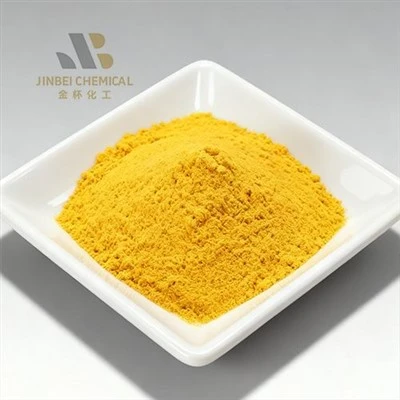

Fumaric acid, a versatile organic compound, has found significant applications in various industries, including the production of fertilizers. As a leading supplier of fumaric acid, I am excited to delve into how this compound plays a crucial role in the fertilizer manufacturing process, enhancing both the quality and efficiency of agricultural products.
The Chemical Nature of Fumaric Acid
Fumaric acid, with the chemical formula C₄H₄O₄, is a dicarboxylic acid that exists as a white crystalline powder. It is odorless and has a strong acidic taste. Structurally, it contains two carboxyl groups (-COOH) attached to a carbon - carbon double bond, which gives it unique chemical properties. This double bond makes fumaric acid reactive and allows it to participate in a variety of chemical reactions, making it an ideal candidate for use in fertilizer production.
Role in Nutrient Availability
One of the primary ways fumaric acid is used in fertilizer production is to improve nutrient availability in the soil. Many essential nutrients for plant growth, such as phosphorus, iron, and zinc, can become insoluble in alkaline or neutral soils. Fumaric acid, being an acid, can lower the soil pH when applied in the form of a fertilizer additive. A lower soil pH helps to solubilize these nutrients, making them more accessible to plant roots.
For example, phosphorus is often present in the soil in forms that are not readily available to plants. When fumaric acid is added to the soil through fertilizers, it can react with insoluble phosphates, converting them into soluble forms that plants can absorb. This not only improves the efficiency of phosphorus utilization by plants but also reduces the amount of phosphorus that is lost through leaching, which is beneficial for both the environment and the farmer's bottom line.
Chelation of Metal Ions
Fumaric acid can also act as a chelating agent. Chelation is a process where a molecule binds to metal ions, forming a stable complex. In the context of fertilizers, fumaric acid can chelate metal ions such as iron, manganese, and copper. These metal ions are essential micronutrients for plant growth, but they can also react with other substances in the soil to form insoluble compounds.
By chelating these metal ions, fumaric acid prevents them from reacting with other soil components and keeps them in a soluble and available form for plants. This is particularly important in soils with high levels of calcium or other competing cations, which can otherwise reduce the availability of these micronutrients. For instance, in alkaline soils, iron can form insoluble hydroxides. Fumaric acid - based chelates can keep iron in a soluble state, ensuring that plants have an adequate supply of this essential element for photosynthesis and other metabolic processes.
Enhancement of Soil Structure
In addition to its role in nutrient availability and chelation, fumaric acid can also contribute to improving soil structure. When added to the soil, fumaric acid can react with soil particles and organic matter, promoting the formation of soil aggregates. Soil aggregates are groups of soil particles that are bound together, creating pore spaces in the soil.
These pore spaces are important for several reasons. They allow for better water infiltration and drainage, preventing waterlogging in the soil. At the same time, they also provide channels for air movement, ensuring that plant roots have access to oxygen. Improved soil structure also enhances root penetration, allowing plants to grow more effectively and access nutrients and water more efficiently.
Compatibility with Other Fertilizer Components
Fumaric acid is highly compatible with other common fertilizer components. It can be easily blended with nitrogen - based fertilizers (such as urea and ammonium nitrate), phosphate fertilizers (like superphosphate), and potassium fertilizers (such as potassium chloride). This compatibility makes it a convenient additive in the production of complex fertilizers.
When formulating fertilizers, manufacturers can combine fumaric acid with other nutrients in the right proportions to create a balanced fertilizer that meets the specific needs of different crops and soil types. For example, a fertilizer blend containing fumaric acid, nitrogen, phosphorus, and potassium can be tailored for use in acidic soils, where the acid can help to further optimize nutrient availability.
Comparison with Other Acidulants
In the fertilizer industry, there are other acidulants that are also used, such as Citric Acid Anhydrous, L - Malic Acid, and Sodium Citrate. While these acidulants also have their own advantages, fumaric acid offers some unique benefits.
Fumaric acid is more stable than some other acidulants, which means it can maintain its chemical properties during storage and transportation. It also has a lower solubility in water compared to citric acid, which can be an advantage in some cases. A lower solubility allows for a more controlled release of acidity in the soil, preventing sudden and excessive changes in soil pH.
Environmental Considerations
Using fumaric acid in fertilizer production also has environmental benefits. As mentioned earlier, by improving nutrient availability and reducing nutrient leaching, fumaric acid - based fertilizers can help to minimize the environmental impact of agriculture. Excessive nutrient leaching can lead to water pollution, including eutrophication of water bodies.
Fumaric acid is a biodegradable compound, which means that it will break down in the soil over time, reducing the long - term environmental burden. In addition, by enhancing plant growth and health, fumaric acid - containing fertilizers can contribute to increased carbon sequestration in the soil, helping to mitigate climate change.
Conclusion
In conclusion, fumaric acid plays a vital role in the production of fertilizers. Its ability to improve nutrient availability, chelate metal ions, enhance soil structure, and its compatibility with other fertilizer components make it a valuable additive. As a supplier of fumaric acid, we are committed to providing high - quality products that can help farmers and fertilizer manufacturers produce more sustainable and efficient fertilizers.


If you are interested in learning more about how fumaric acid can be incorporated into your fertilizer products or if you are looking for a reliable supplier of fumaric acid, please do not hesitate to contact us for a detailed discussion and potential procurement. We look forward to working with you to meet your specific needs in the fertilizer industry.
References
- Brady, N. C., & Weil, R. R. (2008). The Nature and Properties of Soils. Pearson Prentice Hall.
- Mengel, K., & Kirkby, E. A. (2001). Principles of Plant Nutrition. Kluwer Academic Publishers.
- Marschner, H. (2012). Mineral Nutrition of Higher Plants. Academic Press.