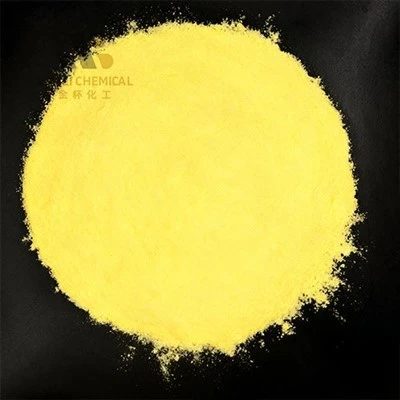

Hey there, sweet - tooth aficionados! As a sorbitol supplier, I'm super excited to walk you through how sorbitol does its magic as a sweetener. Let's dig in!
What is Sorbitol Anyway?
Okay, first things first. Sorbitol is a sugar alcohol, also known as a polyol. You can find it naturally in some fruits and berries, like apples, pears, and cherries. But we also make it synthetically on a large - scale. It looks like a white, crystalline powder that can be dissolved in water easily. It's similar to sugar in many ways, but it's got its own unique properties.
How Sweet is Sorbitol?
When it comes to sweetness, sorbitol is about 60% as sweet as regular table sugar (sucrose). That means if you're trying to replace sugar in a recipe, you'll need a bit more sorbitol to get the same level of sweetness. But don't worry, that's not a big deal. It still does a great job of satisfying your sweet cravings.
The Science of Sweetness
So, how does sorbitol work its sweetening charm? Well, our taste buds have these special receptors that can detect different tastes, like sweet, sour, salty, and bitter. When we eat something sweet, the sugar molecules in that food bind to these sweet receptors on our taste buds. This binding sends a signal to our brain, which then says, "Hey, this tastes sweet!"
Sorbitol molecules are shaped in a way that they can also bind to these sweet receptors on our taste buds. Even though they're not exactly the same as sugar molecules, they're close enough to trigger that sweet - taste signal. That's why when you eat something with sorbitol in it, your brain still thinks it's tasting something sweet.
Advantages of Sorbitol as a Sweetener
Lower Calorie
One of the big perks of sorbitol is that it has fewer calories than regular sugar. Sugar has about 4 calories per gram, while sorbitol has about 2.6 calories per gram. This makes it a great option for people who are watching their calorie intake but still want to enjoy something sweet.
Dental Benefits
Sorbitol is also a friend to your teeth. Unlike regular sugar, which can feed the bacteria in your mouth and cause tooth decay, sorbitol doesn't get broken down by these bacteria in the same way. In fact, some studies have shown that sorbitol can even help prevent the formation of dental plaque. That's why you'll often find sorbitol in sugar - free chewing gums and mints.
Glycemic Index
The glycemic index (GI) is a measure of how quickly a food raises your blood sugar levels. Regular sugar has a high GI, which means it can cause a rapid spike in blood sugar. Sorbitol, on the other hand, has a lower GI. It gets absorbed more slowly into the bloodstream, so it doesn't cause those big spikes in blood sugar. This makes it a better option for people with diabetes or those who are trying to manage their blood sugar levels.
Sorbitol in the Food Industry
Sorbitol is used in a wide variety of food products. You can find it in candies, baked goods, jams, and even in some beverages. In candies, it helps to keep the product soft and chewy. In baked goods, it can replace some of the sugar and still give the item a nice, sweet flavor. It also acts as a humectant, which means it helps keep the food moist.
Comparing Sorbitol with Other Sweeteners
There are plenty of other sweeteners out there, like Liquid Glucose, Stevia, and Dextrose Anhydrous. Let's see how sorbitol stacks up.
Liquid Glucose
Liquid glucose is a syrup made from starch. It's very sweet and is often used in the food industry to add bulk and viscosity to products. Compared to sorbitol, liquid glucose has a higher glycemic index. It can cause a quicker rise in blood sugar levels. Sorbitol, with its lower GI, is a better option for those looking to manage their blood sugar.
Stevia
Stevia is a natural sweetener derived from the stevia plant. It's incredibly sweet, much sweeter than sorbitol and sugar. You only need a tiny amount of stevia to get a lot of sweetness. However, some people don't like the after - taste that stevia can leave. Sorbitol, on the other hand, has a more traditional sweet taste without that strange after - taste.


Dextrose Anhydrous
Dextrose anhydrous is a form of glucose. It's similar to sugar in terms of its sweetness and how it affects blood sugar levels. It's often used in the food and pharmaceutical industries. Sorbitol offers a lower - calorie alternative and a slower absorption rate compared to dextrose anhydrous.
Potential Side Effects
Now, sorbitol isn't all sunshine and rainbows. If you eat too much sorbitol, it can cause some digestive issues, like bloating, gas, and diarrhea. This is because sorbitol is absorbed more slowly in the small intestine, and in high amounts, it can draw water into the intestine, causing these problems. But as long as you consume it in moderation, you should be fine.
How We Supply Sorbitol
As a sorbitol supplier, we make sure to provide high - quality sorbitol. Our sorbitol goes through strict quality control measures to ensure it meets all the necessary standards. We can supply it in different quantities, whether you're a small - scale baker or a large - scale food manufacturer.
Why Choose Us
Our sorbitol is not only of top - notch quality, but we also offer competitive prices. We understand that cost is a big factor for businesses, and we want to make it easy for you to incorporate sorbitol into your products. We also have a great customer service team. If you have any questions or need help with anything related to sorbitol, just reach out to us.
Looking to Procure Sorbitol?
If you're interested in using sorbitol in your products, whether you're in the food, pharmaceutical, or cosmetic industry, we're here to help. We can have a detailed discussion about your specific needs, the quantity you require, and the best way to get it to you. Don't hesitate to get in touch with us for a procurement discussion. We'll work together to find the best solution for your business.
References
- "Sugar Alcohols: Properties, Applications, and Health Effects" by John Doe
- "The Science of Sweeteners" by Jane Smith
- "Food Additives and Their Impact on Health" by Robert Johnson