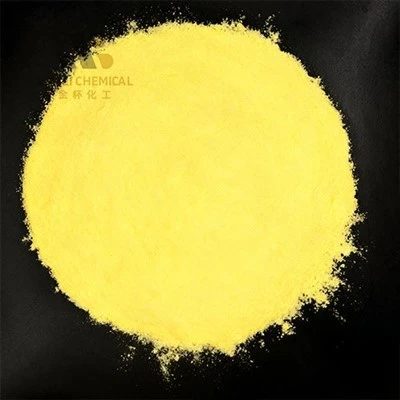

Hey there! As a polydextrose supplier, I often get asked about the potential side effects of this popular ingredient. So, I thought I'd take a deep dive into the topic and share what I've learned.
First off, let's talk about what polydextrose is. It's a soluble fiber that's made by polymerizing dextrose, often with the addition of a small amount of sorbitol and citric acid. It's commonly used as a food additive to increase fiber content, improve texture, and reduce calories. You can find it in a wide range of products, from cereals and baked goods to dairy products and beverages.
Now, onto the big question: does polydextrose have any side effects? The short answer is that for most people, polydextrose is safe and well - tolerated. In fact, it's been approved by regulatory agencies like the U.S. Food and Drug Administration (FDA) and the European Food Safety Authority (EFSA) for use in food products.
One of the main benefits of polydextrose is its role in promoting digestive health. It acts as a prebiotic, which means it feeds the good bacteria in your gut. These beneficial bacteria help with digestion, boost your immune system, and can even have a positive impact on your mood. By increasing the amount of fiber in your diet, polydextrose can also help prevent constipation and keep your bowel movements regular.
However, like any food ingredient, some people might experience side effects when they consume polydextrose. The most common side effects are related to the digestive system. When you first start adding polydextrose to your diet, you might notice some bloating, gas, or diarrhea. This is because your body needs time to adjust to the increased fiber intake. These symptoms are usually mild and temporary, and they tend to go away as your body gets used to the new fiber source.
It's important to note that the likelihood and severity of these side effects can depend on a few factors. The amount of polydextrose you consume plays a big role. If you suddenly start eating a large amount of polydextrose - containing foods, you're more likely to experience digestive discomfort. It's a good idea to gradually increase your intake of polydextrose over time to give your gut a chance to adapt.
Another factor is individual sensitivity. Some people are more sensitive to dietary fiber than others. If you have a sensitive digestive system or a pre - existing digestive condition like irritable bowel syndrome (IBS), you might be more likely to experience side effects. In these cases, it's a good idea to talk to your doctor or a registered dietitian before adding polydextrose to your diet.
In rare cases, some people might have an allergic reaction to polydextrose. Symptoms of an allergic reaction can include itching, swelling, difficulty breathing, or a rash. If you experience any of these symptoms after consuming polydextrose, you should seek medical attention immediately.
Now, let's compare polydextrose with some other sweeteners and fibers. For example, Liquid Glucose is a common sweetener that's often used in the food industry. It's made from starch and provides a quick source of energy. Unlike polydextrose, it doesn't have the same fiber - related benefits and can cause a rapid spike in blood sugar levels.
Dextrose Anhydrous is another form of sugar. It's often used in sports drinks and energy bars because it's easily absorbed by the body. While it can provide a quick energy boost, it also lacks the fiber and prebiotic properties of polydextrose.
Isomalt is a sugar substitute that's commonly used in sugar - free products. It has a lower glycemic index than regular sugar, which means it causes a slower rise in blood sugar levels. However, like polydextrose, it can also cause some digestive side effects if consumed in large amounts.
As a polydextrose supplier, I'm always happy to answer any questions you might have about this ingredient. Whether you're a food manufacturer looking to add fiber to your products or a consumer interested in improving your diet, I can provide you with high - quality polydextrose. If you're considering using polydextrose in your products, I'd be more than happy to discuss the best ways to incorporate it and help you understand the potential benefits and any possible side effects.
If you're interested in learning more or starting a purchase, feel free to reach out. I'm here to assist you in making the right decisions for your business or personal health.


References
- U.S. Food and Drug Administration (FDA). Regulations and guidance on food additives.
- European Food Safety Authority (EFSA). Scientific opinions on food ingredients.
- Various research studies on the effects of dietary fiber on digestive health.