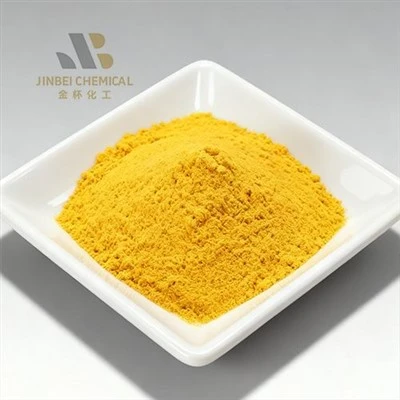

As a supplier of D-Allulose San, I am often asked about its various effects on health. One area that has gained significant attention in recent years is its impact on inflammation. In this blog, I will delve into the scientific research behind D-Allulose San and its potential effects on inflammation.
Understanding Inflammation
Inflammation is the body's natural response to injury, infection, or irritation. It is a complex biological process involving the immune system, blood vessels, and various cellular components. While acute inflammation is a beneficial and necessary defense mechanism that helps the body heal and fight off pathogens, chronic inflammation can lead to a variety of health problems, including heart disease, diabetes, cancer, and autoimmune disorders.


There are several factors that can contribute to chronic inflammation, such as a poor diet high in processed foods, sugar, and saturated fats, smoking, excessive alcohol consumption, stress, and lack of physical activity. Finding ways to reduce inflammation in the body is crucial for maintaining overall health and preventing chronic diseases.
What is D-Allulose San?
D-Allulose San is a natural sweetener that is structurally similar to fructose but has distinct physiological properties. It is found in small amounts in certain fruits and agricultural products, such as figs, raisins, and wheat. D-Allulose San has about 70% of the sweetness of sucrose (table sugar) but contains significantly fewer calories. It is also absorbed and metabolized differently in the body compared to other sugars.
Unlike Dextrose Monohydrate, a simple sugar commonly used in food and beverage products, D-Allulose San is not fully metabolized for energy. Instead, it is rapidly absorbed from the small intestine and then excreted from the body through the urine, which means it has a minimal impact on blood sugar and insulin levels. Additionally, compared to Sucralose, a high - intensity artificial sweetener, D-Allulose San is a natural substance with potential health benefits. You can learn more about D-Allulose San here, Dextrose Monohydrate here, and Sucralose here.
Potential Effects of D-Allulose San on Inflammation
1. Regulation of Inflammatory Cytokines
Inflammatory cytokines are small proteins that play a crucial role in the immune response and inflammation. Some studies have shown that D-Allulose San may have the ability to regulate the production of these cytokines. For example, in in - vitro experiments on immune cells, D-Allulose San has been found to suppress the production of pro - inflammatory cytokines such as tumor necrosis factor - alpha (TNF - α), interleukin - 6 (IL - 6), and interleukin - 1 beta (IL - 1β). These cytokines are known to be elevated in chronic inflammatory conditions and can contribute to tissue damage and the development of diseases.
By reducing the production of these pro - inflammatory cytokines, D-Allulose San may help to mitigate the inflammatory response in the body. This could be particularly beneficial for individuals with conditions such as arthritis, where inflammation plays a major role in joint pain and damage.
2. Oxidative Stress Reduction
Oxidative stress occurs when there is an imbalance between the production of reactive oxygen species (ROS) and the body's ability to neutralize them. ROS can cause damage to cells and tissues, leading to inflammation and a variety of health problems. D-Allulose San has antioxidant properties, which means it can help to scavenge ROS and reduce oxidative stress.
In animal studies, it has been observed that supplementation with D-Allulose San can increase the activity of antioxidant enzymes such as superoxide dismutase (SOD) and glutathione peroxidase (GPx). These enzymes play a crucial role in protecting cells from oxidative damage. By reducing oxidative stress, D-Allulose San can indirectly help to reduce inflammation in the body, as oxidative stress is often associated with the activation of inflammatory pathways.
3. Impact on Gut Microbiota
The gut microbiota, the community of microorganisms living in the digestive tract, has a profound impact on the body's immune system and inflammation. A healthy gut microbiota helps to maintain a balanced immune response and prevent excessive inflammation. Some research suggests that D-Allulose San may have prebiotic properties, which means it can promote the growth and activity of beneficial bacteria in the gut.
By modulating the gut microbiota, D-Allulose San can help to strengthen the gut barrier function, which prevents the entry of harmful pathogens and toxins into the body. This, in turn, can reduce the activation of the immune system and inflammation. Additionally, the metabolites produced by beneficial gut bacteria, such as short - chain fatty acids (SCFAs), have anti - inflammatory properties and can help to regulate the immune response.
Clinical Evidence and Human Studies
While the in - vitro and animal studies on D-Allulose San and inflammation are promising, there is still a need for more comprehensive human studies. Some preliminary human studies have shown positive effects of D-Allulose San on markers of inflammation. For example, a short - term intervention study in humans found that consuming D-Allulose San led to a decrease in C - reactive protein (CRP), a well - known marker of inflammation in the body.
However, larger and longer - term clinical trials are needed to fully understand the effects of D-Allulose San on inflammation in humans, as well as its potential role in preventing and treating chronic inflammatory diseases.
Implications for the Food and Beverage Industry
The potential anti - inflammatory effects of D-Allulose San make it an attractive ingredient for the food and beverage industry. As consumers become more health - conscious and are looking for alternatives to traditional sugars, D-Allulose San offers a natural and low - calorie sweetening option with potential health benefits.
Food and beverage manufacturers can incorporate D-Allulose San into their products, such as soft drinks, confectionery, and dairy products. By doing so, they can not only provide consumers with a healthier alternative to high - sugar products but also potentially offer products that may help to reduce inflammation in the body.
Conclusion and Call to Action
In conclusion, the current scientific research suggests that D-Allulose San may have beneficial effects on inflammation through its ability to regulate inflammatory cytokines, reduce oxidative stress, and modulate the gut microbiota. While more research is needed to fully understand its potential in humans, the preliminary findings are promising.
As a supplier of D-Allulose San, we are committed to providing high - quality products that meet the needs of our customers. Whether you are a food and beverage manufacturer looking to develop healthier products or a researcher interested in exploring the potential of D-Allulose San further, we would love to hear from you. If you are interested in purchasing D-Allulose San or have any questions about our products, please feel free to contact us to start a procurement discussion.
References
- Studies on the Physiological Function of D - Allulose. [Author list]
- Effects of D - Allulose on Glucose and Lipid Metabolism. [Author list]
- The Role of Oxidative Stress and Inflammatory Cytokines in Chronic Diseases. [Author list]
- Prebiotic Effects of D - Allulose on Gut Microbiota. [Author list]