
Hey there! As a supplier of D-Allulose San, I've been getting a ton of questions lately about whether it's a natural sweetener. So, I thought I'd sit down and write this blog to clear things up once and for all.
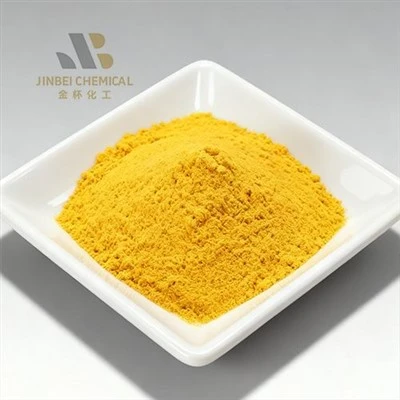
First off, let's talk about what D-Allulose San actually is. D-Allulose is a rare sugar that occurs naturally in small amounts in certain fruits like figs, raisins, and jackfruit. It has a similar taste to sucrose (table sugar), but with about 70% of the sweetness. And here's the kicker - it has only about 0.2 calories per gram, compared to 4 calories per gram in regular sugar. That's a huge difference, especially for those of us watching our calorie intake.
Now, the big question: Is D-Allulose San a natural sweetener? Well, the answer is a bit complicated. On one hand, D-Allulose itself is a natural sugar. It's found in nature, and our bodies can metabolize it just like other sugars. But when it comes to D-Allulose San, the product I supply, things get a little more technical.
D-Allulose San is produced through a process that involves enzymatic conversion of other sugars. While the starting materials are natural sugars, the conversion process is done in a controlled industrial setting. Some people might argue that this means it's not "natural" in the strictest sense. But here's the thing - a lot of the foods we eat every day go through some kind of processing. Even something as simple as making bread involves processing wheat into flour and adding yeast and other ingredients. So, just because D-Allulose San is produced in a factory doesn't necessarily mean it's not natural.
Let's compare D-Allulose San with some other common sweeteners out there. Take Sucralose for example. Sucralose is an artificial sweetener that's made through a multi-step chemical process. It's much sweeter than sugar - about 400 - 800 times sweeter, in fact. But because it's an artificial sweetener, some people are concerned about its long-term health effects. There have been studies on both sides of the argument, but the general consensus is that more research is needed.
Then there's Sorbitol. Sorbitol is a sugar alcohol that occurs naturally in some fruits and vegetables. It's often used as a sweetener in sugar-free products. While it's a natural substance, it can cause some digestive issues like bloating and diarrhea if consumed in large amounts.
Another popular sweetener is Acesulfame Potassium. Like sucralose, it's an artificial sweetener. It's about 200 times sweeter than sugar and is often used in combination with other sweeteners to enhance the sweetness. But again, there are concerns about its safety, especially when it comes to long-term consumption.
In comparison, D-Allulose San has some pretty great advantages. As I mentioned earlier, it has a low calorie count. It also has a glycemic index of zero, which means it doesn't cause a spike in blood sugar levels. This makes it a great option for people with diabetes or those who are trying to manage their blood sugar. And because it's metabolized differently than regular sugar, it doesn't contribute to tooth decay.
But it's not just about the health benefits. D-Allulose San also has some great functional properties. It has a clean, sweet taste that's very similar to sugar, so it can be used in a wide variety of food and beverage products. It can also be used in baking and cooking, just like regular sugar. It has good solubility and stability, which means it can be easily incorporated into different recipes.
So, back to the question of whether D-Allulose San is a natural sweetener. In my opinion, it's a natural sweetener with a little bit of industrial help. It's derived from natural sugars, and it has all the great benefits of a natural sweetener. Sure, the production process involves some technology, but that doesn't take away from its natural origins.
If you're a food manufacturer, a baker, or just someone who's looking for a healthier alternative to sugar, I highly recommend giving D-Allulose San a try. It's a versatile sweetener that can be used in so many different applications. And as a supplier, I'm here to help you with any questions you might have and to work with you to find the best solution for your needs.


If you're interested in learning more about D-Allulose San or are thinking about purchasing it for your business, I'd love to hear from you. Just reach out, and we can start a conversation about how this amazing sweetener can fit into your product line. Let's work together to create delicious, healthy products that your customers will love.
References
- "D - Allulose: A Rare Sugar with Multiple Health Benefits." Journal of Food Science and Technology.
- "Comparison of Different Sweeteners: Health and Functional Aspects." International Journal of Food Science.
- "The Safety and Efficacy of Artificial Sweeteners." Nutrition Reviews.