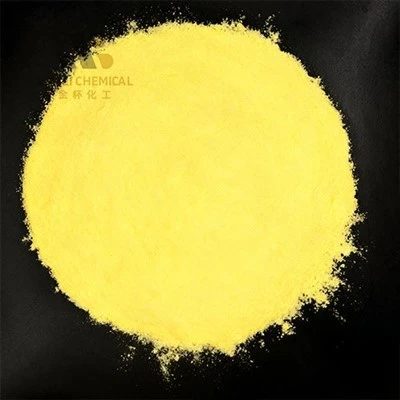

Is aspartame a natural sweetener? This is a question that has sparked numerous debates in the food industry and among health - conscious consumers. As an aspartame supplier, I am often asked about the nature of this popular sweetener, and I believe it's time to delve deep into the topic.
Understanding Aspartame: A Chemical Composition Perspective
Aspartame is a low - calorie artificial sweetener that is approximately 180 - 220 times sweeter than sucrose (table sugar). Chemically, it is a methyl ester of the dipeptide of the natural amino acids L - aspartic acid and L - phenylalanine. The synthesis of aspartame involves a series of chemical reactions in a laboratory setting.
The process starts with the isolation and purification of L - aspartic acid and L - phenylalanine, which are indeed naturally occurring amino acids found in many proteins in our diet. However, the subsequent chemical reactions that combine these two amino acids and add a methyl group to form aspartame are human - made processes. This means that while the building blocks are natural, the final product is a synthetic sweetener.
Comparing with Natural Sweeteners
Natural sweeteners are substances that are derived directly from plants or other natural sources without significant chemical modification. For example, honey is produced by bees from the nectar of flowers, and maple syrup is obtained by boiling the sap of maple trees. These sweeteners retain their natural form and often come with additional nutrients such as vitamins, minerals, and antioxidants.
In contrast, aspartame is created through a multi - step chemical process. Although it mimics the sweet taste of natural sugars, it lacks the complex flavor profiles and nutritional benefits associated with natural sweeteners. For instance, natural sweeteners like D - Allulose San are derived from natural sources and may have some health - promoting properties, such as low - calorie content and potential prebiotic effects.
The Regulatory Perspective
Regulatory bodies around the world have evaluated the safety of aspartame extensively. In the United States, the Food and Drug Administration (FDA) approved aspartame for use in food products in 1981 after a thorough review of more than 100 scientific studies. Similarly, the European Food Safety Authority (EFSA) has also concluded that aspartame is safe for human consumption within the established acceptable daily intake (ADI) levels.
The safety evaluations are based on scientific evidence that shows aspartame is broken down in the body into its constituent amino acids and methanol. The amino acids are then metabolized like any other dietary protein, and the small amount of methanol produced is well within the normal levels found in many common foods and beverages. However, individuals with phenylketonuria (PKU), a rare genetic disorder, cannot metabolize phenylalanine properly, and products containing aspartame must carry a warning label for them.
Consumer Perception and Misconceptions
There has been a long - standing controversy surrounding aspartame, with some consumers believing it to be unsafe or "unnatural." Some of these concerns stem from early studies that suggested potential links to cancer, neurological disorders, and other health problems. However, subsequent large - scale, well - designed studies have failed to confirm these associations.
The perception of aspartame as "unnatural" is also influenced by the fact that it is a synthetic product. In an era where there is a growing preference for "clean - label" and natural foods, aspartame may seem out of place on the ingredient list. But it's important to note that the safety of a food ingredient is not determined by its natural or synthetic origin but by scientific evidence of its effects on human health.
Aspartame in the Food Industry
Aspartame has been widely used in the food and beverage industry for several decades. It is commonly found in diet sodas, sugar - free chewing gums, low - calorie desserts, and other products targeted at consumers looking to reduce their sugar intake. Its high sweetness intensity allows manufacturers to use very small amounts to achieve the desired level of sweetness, which in turn reduces the calorie content of the products.


Compared to other artificial sweeteners like Acesulfame Potassium and Sodium Saccharin, aspartame has a more sugar - like taste, with fewer bitter after - tastes. This makes it a popular choice for formulators who want to create products with a more natural - tasting sweetness.
The Future of Aspartame
As consumer demand for natural and healthy food products continues to grow, the future of aspartame may face some challenges. However, its long - standing safety record and cost - effectiveness make it likely to remain a part of the sweetener market for the foreseeable future.
In addition, ongoing research is exploring ways to improve the perception of aspartame. For example, some studies are looking into combining aspartame with other sweeteners or flavor enhancers to create more complex and natural - tasting sweetening systems. There is also a growing interest in understanding the potential health benefits of aspartame in the context of weight management and diabetes control.
Conclusion
In conclusion, aspartame is not a natural sweetener. It is a synthetic product created through chemical processes, although its building blocks are natural amino acids. Despite the controversies and consumer concerns, scientific evidence supports its safety for human consumption within the established ADI levels.
As an aspartame supplier, I am committed to providing high - quality aspartame products to our customers. We understand the importance of transparency and scientific accuracy in the sweetener industry. If you are interested in learning more about our aspartame products or would like to discuss potential procurement opportunities, please feel free to reach out. We are always ready to engage in meaningful discussions and provide the information you need to make informed decisions about sweeteners for your products.
References
- Food and Drug Administration (FDA). (1981). Approval of aspartame for use in food products.
- European Food Safety Authority (EFSA). (Year). Scientific opinion on the safety of aspartame.
- Various scientific studies on aspartame metabolism, safety, and consumer perception published in peer - reviewed journals.