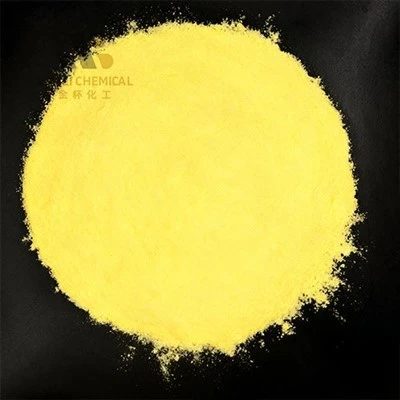

Folic acid, also known as Vitamin B9, is a water-soluble vitamin that plays a crucial role in various bodily functions. While it's widely recognized for its importance in prenatal health and DNA synthesis, its impact on the immune system is an area that's gaining more attention. As a folic acid supplier, I've seen firsthand the growing interest in understanding how this vitamin can support overall health, especially when it comes to immunity.
The Basics of Folic Acid
Before diving into its effects on the immune system, let's quickly go over what folic acid is and why it's essential. Folic acid is a synthetic form of folate, which is a naturally occurring B-vitamin found in foods like leafy greens, citrus fruits, and beans. Our bodies need folic acid to produce and maintain new cells, as well as to prevent changes to DNA that can lead to cancer. It's also vital for proper brain function and plays a key role in mental and emotional health.
Folic Acid and Immune Cell Production
One of the primary ways folic acid affects the immune system is by supporting the production of immune cells. Our immune system is made up of various types of cells, including white blood cells, which are responsible for fighting off infections and diseases. Folic acid is involved in the synthesis of DNA and RNA, which are essential for cell division and growth. Without enough folic acid, the production of immune cells can be impaired, leaving our bodies more vulnerable to infections.
For example, lymphocytes are a type of white blood cell that plays a crucial role in the immune response. There are two main types of lymphocytes: B cells, which produce antibodies to fight off pathogens, and T cells, which help to regulate the immune response and directly attack infected cells. Folic acid is necessary for the proper development and function of both B and T cells. Studies have shown that folic acid deficiency can lead to a decrease in the number and function of lymphocytes, making it harder for the body to mount an effective immune response.
Folic Acid and Inflammation
Inflammation is a natural response of the immune system to injury or infection. However, chronic inflammation can contribute to the development of various diseases, including heart disease, diabetes, and cancer. Folic acid has been shown to have anti-inflammatory properties, which can help to reduce the risk of these diseases.
One way folic acid may reduce inflammation is by modulating the production of cytokines, which are small proteins that play a key role in the immune response. Some cytokines, such as tumor necrosis factor-alpha (TNF-α) and interleukin-6 (IL-6), are pro-inflammatory and can contribute to chronic inflammation. Folic acid has been shown to decrease the production of these pro-inflammatory cytokines, while increasing the production of anti-inflammatory cytokines, such as interleukin-10 (IL-10).
Folic Acid and Gut Health
The gut is home to trillions of bacteria, collectively known as the gut microbiota. These bacteria play a crucial role in the immune system, as they help to train the immune cells and prevent the growth of harmful pathogens. Folic acid has been shown to support gut health by promoting the growth of beneficial bacteria and reducing the growth of harmful bacteria.
One study found that folic acid supplementation increased the abundance of Bifidobacterium, a type of beneficial bacteria that is known to have anti-inflammatory properties. Another study found that folic acid deficiency was associated with an imbalance in the gut microbiota, which can lead to increased inflammation and a weakened immune system.
Folic Acid and Vitamin B12
Folic acid and Vitamin B12 work together to support many bodily functions, including the production of red blood cells and the maintenance of the nervous system. They also play a crucial role in the immune system. Vitamin B12 is necessary for the proper functioning of white blood cells, and a deficiency in this vitamin can lead to a weakened immune response.
Folic acid and vitamin B12 are involved in a metabolic pathway called the methionine cycle, which is essential for the synthesis of DNA and proteins. A deficiency in either folic acid or vitamin B12 can disrupt this pathway, leading to a variety of health problems, including impaired immune function. Therefore, it's important to ensure that you're getting enough of both vitamins to support a healthy immune system.
Folic Acid and Vitamin D
Vitamin D2 is another vitamin that plays a crucial role in the immune system. It helps to regulate the immune response and can enhance the function of immune cells. Studies have shown that vitamin D deficiency is associated with an increased risk of infections and autoimmune diseases.
Folic acid and vitamin D may work together to support the immune system. One study found that folic acid supplementation increased the levels of vitamin D in the blood, suggesting that these two vitamins may have a synergistic effect on immune function. However, more research is needed to fully understand the relationship between folic acid and vitamin D and their combined effects on the immune system.
How to Ensure Adequate Folic Acid Intake
The recommended daily intake of folic acid varies depending on age, gender, and life stage. For most adults, the recommended daily intake is 400 micrograms (mcg). Pregnant women and women who are planning to become pregnant are advised to take 600-800 mcg of folic acid per day to prevent birth defects.
Folic acid can be obtained through diet or supplements. Good dietary sources of folate include leafy green vegetables, citrus fruits, beans, and fortified grains. However, it can be challenging to get enough folic acid through diet alone, especially for people with certain dietary restrictions or health conditions. In these cases, taking a folic acid supplement may be necessary.
Conclusion
As a folic acid supplier, I'm excited about the growing body of research that shows the important role that folic acid plays in supporting the immune system. From supporting the production of immune cells to reducing inflammation and promoting gut health, folic acid is a vital nutrient for overall health and well-being.
If you're interested in learning more about folic acid and how it can benefit your health, or if you're looking to purchase high-quality folic acid products, I'd love to hear from you. Whether you're a healthcare professional, a supplement manufacturer, or an individual looking to improve your immune health, I'm here to help. Contact me today to start a conversation about how folic acid can be a valuable addition to your health regimen.


References
- Bailey, L. B., & Gregory, J. F., III. (1999). Folic acid: influence on the outcome of pregnancy. American Journal of Clinical Nutrition, 69(5), 927S–933S.
- Blumberg, J. B., et al. (2018). Biomarkers of nutrition for development (BOND)—folate review. The Journal of Nutrition, 148(1), 183S–284S.
- Chan, J. M., et al. (2005). Plasma folate and risk of prostate cancer. Journal of the National Cancer Institute, 97(21), 1565–1572.
- Hvas, A.-M., & Nexo, E. (2006). Vitamin B12 deficiency. Hematology/Oncology Clinics of North America, 20(6), 1325–1339.
- Kim, Y.-I. (2008). Folate and carcinogenesis: an integrated scheme. Journal of Nutrition, 138(11), 2153S–2158S.
- Ross, A. C., et al. (2011). The 2011 report on dietary reference intakes for calcium and vitamin D from the Institute of Medicine: what clinicians need to know. The Journal of Clinical Endocrinology & Metabolism, 96(1), 53–58.