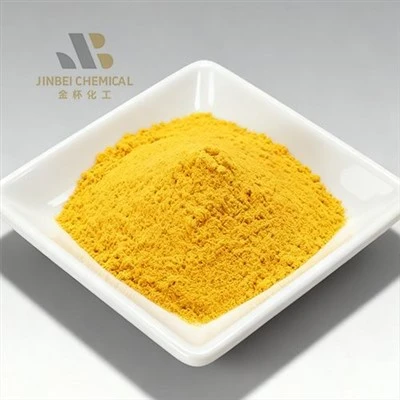

Folic acid, also known as vitamin B9, is a water - soluble vitamin that plays a crucial role in various bodily functions. While it is widely recognized for its importance in prenatal health and cell division, its impact on bone health is an area that has gained increasing attention in recent years. As a folic acid supplier, I am well - versed in the scientific research surrounding this vitamin and its effects on the skeletal system.
The Basics of Folic Acid
Folic acid is a synthetic form of folate, which is found naturally in many foods such as leafy green vegetables, citrus fruits, beans, and whole grains. It is essential for DNA synthesis, repair, and methylation, processes that are fundamental for normal cell growth and development. In the body, folic acid is converted into its active form, tetrahydrofolate (THF), which participates in one - carbon transfer reactions. These reactions are involved in the synthesis of nucleotides, the building blocks of DNA, and the metabolism of amino acids.


Folic Acid and Bone Metabolism
Bone is a dynamic tissue that is constantly being remodeled throughout life. The process of bone remodeling involves the breakdown of old bone by cells called osteoclasts and the formation of new bone by osteoblasts. Imbalances in this process can lead to bone loss and an increased risk of fractures.
One of the ways folic acid may affect bone health is through its role in homocysteine metabolism. Homocysteine is an amino acid that, when present in high levels in the blood (a condition known as hyperhomocysteinemia), is associated with an increased risk of osteoporosis and fractures. Folic acid, along with Vitamin B1 and Vitamin B6, helps to convert homocysteine back into methionine, an essential amino acid. By reducing homocysteine levels, folic acid may help to protect against bone loss.
A number of observational studies have reported an inverse association between folic acid intake or blood folate levels and bone mineral density (BMD). BMD is a measure of the amount of mineral in the bone and is an important determinant of bone strength. In a large - scale population - based study, individuals with higher dietary folate intake were found to have higher BMD compared to those with lower intake. Another study showed that post - menopausal women with higher blood folate levels had a lower risk of hip fractures.
Molecular Mechanisms
At the molecular level, folic acid may influence bone cell function. Osteoblasts, the cells responsible for bone formation, require an adequate supply of nucleotides for DNA synthesis and cell proliferation. Since folic acid is involved in nucleotide synthesis, it may support the growth and activity of osteoblasts. In addition, folic acid may affect the expression of genes involved in bone metabolism. For example, it has been shown to regulate the expression of genes related to collagen synthesis, which is a major component of the bone matrix.
On the other hand, osteoclasts, the cells that break down bone, may also be affected by folic acid. High homocysteine levels can stimulate osteoclast activity, leading to increased bone resorption. By reducing homocysteine, folic acid may help to inhibit osteoclast - mediated bone breakdown.
The Role of Folic Acid in Different Populations
Elderly Population
The elderly are at a particularly high risk of osteoporosis and fractures due to age - related changes in bone metabolism. As people age, their ability to absorb nutrients, including folic acid, may decline. In addition, many elderly individuals may have dietary deficiencies or underlying health conditions that can affect folic acid status. Supplementing with folic acid may be beneficial for this population to maintain bone health. Studies have shown that folic acid supplementation in the elderly can improve BMD and reduce the risk of fractures.
Post - Menopausal Women
Post - menopausal women experience a significant decrease in estrogen levels, which can lead to rapid bone loss. Folic acid, along with other nutrients such as calcium and vitamin D, may play a role in preventing post - menopausal osteoporosis. By reducing homocysteine levels and supporting bone cell function, folic acid can help to counteract the negative effects of estrogen deficiency on bone.
Athletes
Athletes, especially those involved in high - impact sports, require strong bones to withstand the physical stress. Folic acid can contribute to bone health by ensuring proper bone remodeling and repair. Adequate folic acid intake can support the growth and maintenance of bone tissue, reducing the risk of stress fractures and other bone - related injuries.
Folic Acid Supplementation
As a folic acid supplier, I understand the importance of providing high - quality folic acid supplements. Folic acid supplements are available in various forms, including tablets, capsules, and liquid formulations. The recommended daily intake of folic acid varies depending on age, gender, and life stage. For adults, the recommended dietary allowance (RDA) is 400 micrograms per day. However, certain populations, such as pregnant women, may require higher doses.
When considering folic acid supplementation, it is important to note that it should be part of a balanced diet. While folic acid can have beneficial effects on bone health, it works in conjunction with other nutrients. For example, calcium and vitamin D are essential for bone mineralization, and Vitamin B1 and Vitamin B6 work together with folic acid to regulate homocysteine levels.
Quality and Safety of Folic Acid
As a supplier, I am committed to ensuring the quality and safety of the folic acid products I offer. Our folic acid is sourced from reliable manufacturers and undergoes strict quality control measures. It is important to choose a folic acid supplement that is pure, free from contaminants, and has been tested for potency.
In terms of safety, folic acid is generally considered safe when taken within the recommended dosage. However, excessive intake of folic acid can mask the symptoms of vitamin B12 deficiency, which can lead to neurological damage if left untreated. Therefore, it is important to consult a healthcare provider before starting any new supplement regimen.
Conclusion
In conclusion, folic acid plays an important role in bone health through its involvement in homocysteine metabolism, nucleotide synthesis, and gene expression. Its beneficial effects on bone mineral density and fracture risk have been demonstrated in numerous studies. As a folic acid supplier, I am dedicated to providing high - quality folic acid products that can contribute to the well - being of individuals. Whether you are an elderly person looking to maintain bone strength, a post - menopausal woman at risk of osteoporosis, or an athlete in need of strong bones, folic acid can be a valuable addition to your diet.
If you are interested in learning more about our folic acid products or would like to discuss potential procurement opportunities, please feel free to reach out. We are eager to engage in discussions to meet your specific needs and provide you with the best folic acid solutions. You can find more information about our Folic Acid on our website.
References
- Clarke R, et al. Hyperhomocysteinemia: An independent risk factor for vascular disease. N Engl J Med. 1991;324(13):866 - 872.
- Kiel DP, et al. Homocysteine and risk of hip fracture in elderly persons. Arch Intern Med. 2001;161(10):1299 - 1304.
- Tucker KL, et al. Dietary factors and bone mass in elderly men and women: A 4 - y prospective study. Am J Clin Nutr. 2000;71(1):136 - 141.
- Rimm EB, et al. Folate and vitamin B6 from diet and supplements in relation to risk of coronary heart disease among women. JAMA. 1998;279(4):359 - 364.