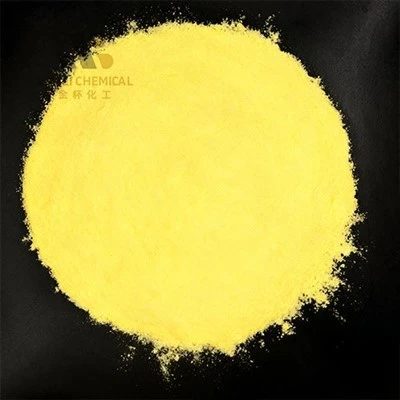

Hey there! As a supplier of D-Allulose San, I often get asked about its impact on gut health. So, I thought I'd dive into this topic and share what I've learned.
First off, let's talk about what D-Allulose San is. It's a rare sugar that occurs naturally in small amounts in certain fruits like figs and raisins. It has a similar sweetness to sucrose but with about 70% of the calories. This makes it an attractive alternative for those looking to cut down on sugar intake without sacrificing taste.
Now, onto the big question: does it have any impact on gut health? Well, the research so far is pretty promising.
One of the key aspects of gut health is the balance of gut microbiota, the trillions of bacteria that live in our digestive tract. These bacteria play a crucial role in various bodily functions, including digestion, immune system regulation, and even mental health.
Some studies suggest that D-Allulose San can act as a prebiotic. Prebiotics are substances that feed the good bacteria in our gut. When we consume D-Allulose San, it passes through the upper part of the digestive system relatively unchanged and reaches the colon, where it can be fermented by certain beneficial bacteria.
For example, it has been shown to increase the population of Bifidobacteria in the gut. Bifidobacteria are a group of beneficial bacteria that are associated with a range of health benefits. They can help improve digestion by breaking down complex carbohydrates and producing short - chain fatty acids (SCFAs). SCFAs, such as butyrate, propionate, and acetate, are important for maintaining the health of the colon cells, reducing inflammation, and regulating the immune system.
In addition to promoting the growth of beneficial bacteria, D-Allulose San may also have a positive impact on gut barrier function. The gut barrier is a layer of cells that lines the digestive tract and acts as a protective barrier against harmful substances, such as toxins and pathogens. A healthy gut barrier is essential for preventing the entry of these harmful agents into the bloodstream. Some research indicates that D-Allulose San can enhance the integrity of the gut barrier, reducing the risk of "leaky gut syndrome," which is associated with various health problems, including autoimmune diseases and food sensitivities.
Another interesting aspect is its potential to reduce the growth of harmful bacteria. In some in - vitro studies, D-Allulose San has been shown to inhibit the growth of certain pathogenic bacteria, such as Escherichia coli and Salmonella. By suppressing the growth of these harmful bacteria, it can help maintain a more balanced and healthy gut microbiota.
Compared to other sweeteners, D-Allulose San seems to have a more favorable impact on gut health. Take Stevia for example. While stevia is a popular natural sweetener, there is limited research on its direct impact on gut microbiota. Some studies suggest that it may have a minor effect on the composition of gut bacteria, but the results are not as conclusive as those for D-Allulose San.
Liquid Glucose is a common sweetener used in the food industry. However, it is a simple carbohydrate that can be rapidly absorbed in the small intestine. This means it doesn't reach the colon to have a significant impact on gut microbiota. In fact, excessive consumption of liquid glucose can lead to spikes in blood sugar levels and may contribute to an imbalance in gut bacteria over time.
Sucralose is an artificial sweetener. Some studies have raised concerns about its potential negative impact on gut health. It has been shown to alter the composition of gut microbiota in animal studies, potentially leading to changes in metabolism and an increased risk of metabolic disorders.
So, based on the current research, D-Allulose San seems to be a great option for those who are concerned about their gut health while still wanting to enjoy a sweet taste.
But it's important to note that more research is needed. The studies so far have been mostly in animals or in vitro, and more large - scale human studies are required to fully understand the long - term effects of D-Allulose San on gut health.
If you're a food manufacturer, a health - conscious consumer, or someone in the industry looking for a sweetener that can potentially benefit gut health, I'd highly recommend considering D-Allulose San. We, as a supplier, can provide high - quality D-Allulose San that meets your needs. Whether you're formulating a new product or looking to replace an existing sweetener, we can work with you to find the best solution.
If you're interested in learning more or want to discuss a potential purchase, feel free to reach out. We're here to answer any questions you may have and help you make an informed decision.
References


- [List of relevant scientific papers and studies on D - Allulose San and gut health, e.g., Research on the prebiotic effect of D - Allulose in rats; In - vitro study on the impact of D - Allulose on gut bacteria]